

Compliance That Fits Oracle EBS Users
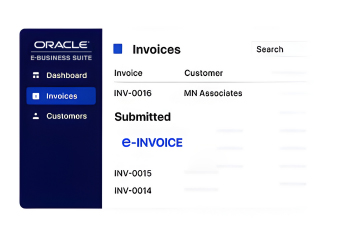
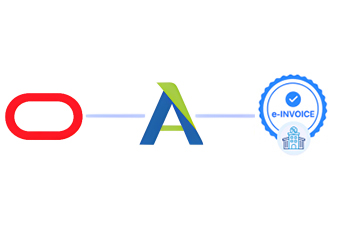
How Oracle E-Business Suite Reaches Smart Invoice
- Enterprise Transactions Selected: Applicable receivables, orders, customer, tax, and financial information is identified from Oracle E-Business Suite.
- Source Information Collected: Relevant transaction details are gathered from established enterprise records for connected invoice processing.
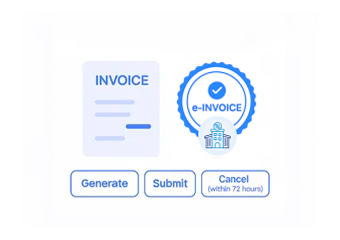
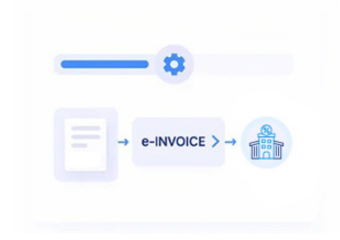
- Invoice Data Organized: Advintek structures selected information into electronic invoice data suitable for the Zambia workflow.
- Fiscal Processing Initiated: Prepared document information is routed through Advintek toward Zambia’s Smart Invoice environment.
- Response Details Returned: Available fiscal statuses and processing information can flow back through designated connected workflows.
- Enterprise References Retained: Relevant document identifiers can remain associated with originating Oracle E-Business Suite transactions.
How Advintek Extends Oracle E-Business Suite
Advintek links Oracle E-Business Suite operations with Zambia’s Smart Invoice framework, creating a dedicated route for organizing enterprise transaction data and supporting fiscal document processing.
- Links Oracle transactions to Smart Invoice
- Converts relevant data into fiscal formats
- Routes electronic documents through processing
- Returns available fiscal response details
Why Oracle E-Business Suite Works Well With Fiscal Automation
- Receivables Gain Fiscal ContextOracle E-Business Suite receivables information can provide a structured starting point for connecting customer transactions with applicable electronic invoice processing.
- Order Records Explain TransactionsRelevant order information can provide commercial background for invoices, helping finance teams understand the transaction behind each fiscal document.
- Legal Entities Stay DistinctEnterprise organizations operating through multiple legal entities can maintain relevant entity references throughout connected invoice workflows.
- Tax Details Remain AvailableApplicable tax information from established enterprise records can contribute to organized invoice preparation before fiscal processing takes place.
- Customer Accounts Stay ConnectedExisting customer-account information can remain associated with invoice activity, helping teams identify the business party behind processed documents.
- Financial Reconciliation Gains ContextLinks between Oracle E-Business Suite transactions and fiscal documents can support reconciliation, investigation, and internal financial review.
Everything You Need for Zambian E-Invoicing in One Place
Real-Time Validation Control
Map relevant Oracle receivables information into structured Zambia electronic invoice workflows.
Centralized Reporting Interface
Route applicable Oracle E-Business Suite transaction information through Advintek for fiscal processing.
Ongoing Compliance Support
Capture available Smart Invoice responses and connect relevant processing information with enterprise workflows.
How Oracle E-Business Suite Supports Zambian Enterprises
Advintek connects Oracle E-Business Suite financial activity with Zambia’s Smart Invoice environment, helping enterprises coordinate receivables, orders, customer accounts, tax information, and fiscal documents.
- Extend existing enterprise finance workflows
- Connect receivables with fiscal processing
- Organize applicable transaction information
- Maintain Oracle document references
Connect Enterprise Finance With Smart Invoice
Connect Oracle E-Business Suite with Advintek for organized Zambia fiscal invoice processing.
Support E-invoicing without changing your core enterprise finance environment.
Ready e-Invoice System
Frequently Asked Questions Oracle EBS E-Invoicing Zambia
Can Oracle E-Business Suite support invoices generated from accounts receivable?
Yes. Accounts receivable records can provide relevant customer, transaction, tax, and invoice information for a connected fiscal workflow. Advintek can use applicable Oracle E-Business Suite data to prepare structured electronic invoice information and route it toward Zambia Smart Invoice while preserving references to the originating receivables transaction.
How can Oracle E-Business Suite handle invoices for different business divisions?
Oracle E-Business Suite can maintain organizational information across enterprise operations. During integration, relevant entity or organizational references can be included in the fiscal workflow, allowing Advintek to distinguish applicable transactions and prepare associated electronic invoice information according to the organization’s established structure and configured processing requirements.
Can recurring billing activity from Oracle E-Business Suite enter the fiscal workflow?
Applicable recurring billing transactions can be incorporated where the organization’s Oracle E-Business Suite process produces the required invoice information. Advintek can receive relevant source data and route it through the connected Zambia fiscal workflow, helping businesses apply consistent processing to recurring enterprise billing activity.
How are customer account changes reflected in connected invoice processing?
Customer information should remain aligned between the originating Oracle E-Business Suite records and the data used for fiscal processing. Where customer account details change, the configured integration can use the applicable current information when preparing subsequent documents, helping reduce discrepancies between enterprise records and fiscal invoice data.
Can finance teams trace a Smart Invoice document back to Oracle E-Business Suite?
Yes. Relevant transaction identifiers and document references can be retained within the connected workflow. This can help finance personnel associate available Smart Invoice information with the originating Oracle E-Business Suite transaction when investigating records, performing reconciliation, or reviewing invoice history across enterprise financial operations.