

Compliance That Fits SAP ECC Users
How SAP ECC Supports Zambia Invoicing
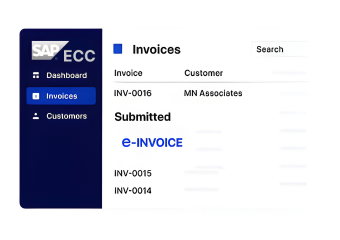
- Relevant Transactions Identified: Applicable billing and sales records are selected from SAP ERP Central Component.
- Enterprise Data Gathered: Customer, material, tax, company, and transaction information is collected for processing.
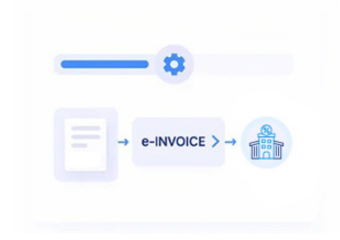
- Invoice Information Structured: Selected SAP ECC data is organized into suitable electronic invoice information.
- Fiscal Processing Initiated: Prepared invoice information enters the connected Zambia fiscal invoicing workflow.
- Processing Information Returned: Available fiscal responses and document statuses can return through the integration.
- Enterprise References Connected: Relevant fiscal records can remain associated with originating SAP ECC transactions.

What Advintek Adds To SAP ECC
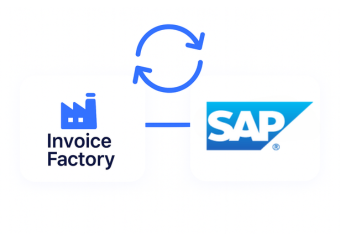
Advintek connects SAP ERP Central Component with Zambia’s electronic invoicing environment, creating an integration layer between enterprise transaction records and applicable fiscal document processing requirements.
- Connects SAP ECC billing with fiscal workflows
- Structures relevant enterprise transaction information
- Supports connected electronic document processing
- Returns available fiscal processing information
Why SAP ECC Fits Zambia Invoicing
- Enterprise Billing Gains Context: SAP ECC billing information can provide the commercial foundation for fiscal documents, helping connect electronic invoice activity with established enterprise transactions.
- Company Structures Stay Visible: Company codes and organizational structures can provide useful context when businesses manage invoicing across multiple enterprise entities or operating divisions.
- Material Records Add Precision: Material information maintained in SAP ECC can contribute product descriptions, quantities, units, and other relevant details during electronic invoice preparation.
- Customer Masters Reduce Duplication: Existing customer master records can supply applicable business information, reducing the need to maintain separate customer details solely for fiscal document workflows.
- Tax Configuration Guides Preparation: Relevant tax information maintained within enterprise transactions can contribute to organizing invoice data before it enters the connected Zambia fiscal process.
- Accounting Links Aid Investigation: References between SAP ECC accounting documents and fiscal invoice records can help finance teams investigate transactions, reconcile activity, and review historical documentation.
Everything You Need for Zambia E-Invoicing in One Place
Real-Time Validation Feedback
Map applicable SAP ECC billing information into structured fields required for connected Zambia electronic invoice processing.
Centralized Financial Dashboard
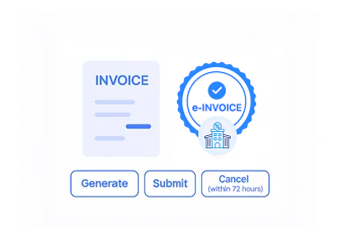
Associate fiscal documents with relevant SAP ECC billing, customer, material, and accounting references for easier transaction review.
Continuous Compliance Support
Receive available processing information and document responses through the connected Advintek integration workflow.
Built For SAP ECC Enterprise Environments
Advintek extends established SAP ECC operations into Zambia’s electronic invoicing workflow, connecting enterprise billing information with structured fiscal document processing while supporting existing business processes.
- Connect enterprise billing with fiscal processing
- Organize applicable transaction information
- Associate documents with SAP references
- Support electronic invoice visibility
Connect Enterprise Billing With Zambia
Connect SAP ECC billing data with Zambia e-invoicing through Advintek.
Support structured fiscal processing across enterprise workflows.
Ready e-Invoice System
Frequently Asked Questions SAP ECC E-Invoicing Zambia
What options are available for SAP ECC sales organizations during fiscal processing?
SAP ECC can maintain sales activity across different organizational structures and distribution channels. Advintek can identify applicable billing information from these enterprise processes and prepare it for connected Zambia fiscal processing, helping businesses retain organizational context while electronic invoice information moves through the integration workflow.
When SAP ECC uses different billing types, how are they treated?
Billing types can represent distinct commercial transactions within SAP ECC. Relevant billing information can be identified according to the configured business process before entering the fiscal workflow. Advintek helps organize applicable source data, allowing businesses to preserve transaction distinctions during Zambia electronic invoice preparation and processing.
Which SAP ECC delivery details can strengthen invoice information?
Delivery records may provide valuable supporting context when they relate directly to an underlying commercial transaction. Advintek can connect applicable delivery, billing, and transaction information, helping businesses establish clearer relationships between fulfillment activity and the fiscal documentation generated from corresponding SAP ECC business processes.
For intercompany transactions, what can SAP ECC provide to invoicing workflows?
SAP ECC can manage transactions involving multiple enterprise companies and organizational structures. Where intercompany activity applies, relevant transaction information can enter the connected fiscal workflow. Advintek can organize suitable invoice data and references, helping businesses distinguish enterprise transactions while supporting Zambia electronic invoicing requirements.
Where service billing originates in SAP ECC, can it enter the fiscal workflow?
Service-related billing information maintained in SAP ECC can participate in connected fiscal processing where applicable. Advintek can organize service descriptions, quantities, customer information, and transaction references, helping businesses incorporate service-based commercial activity into Zambia electronic invoicing workflows without separating it from established enterprise billing processes.